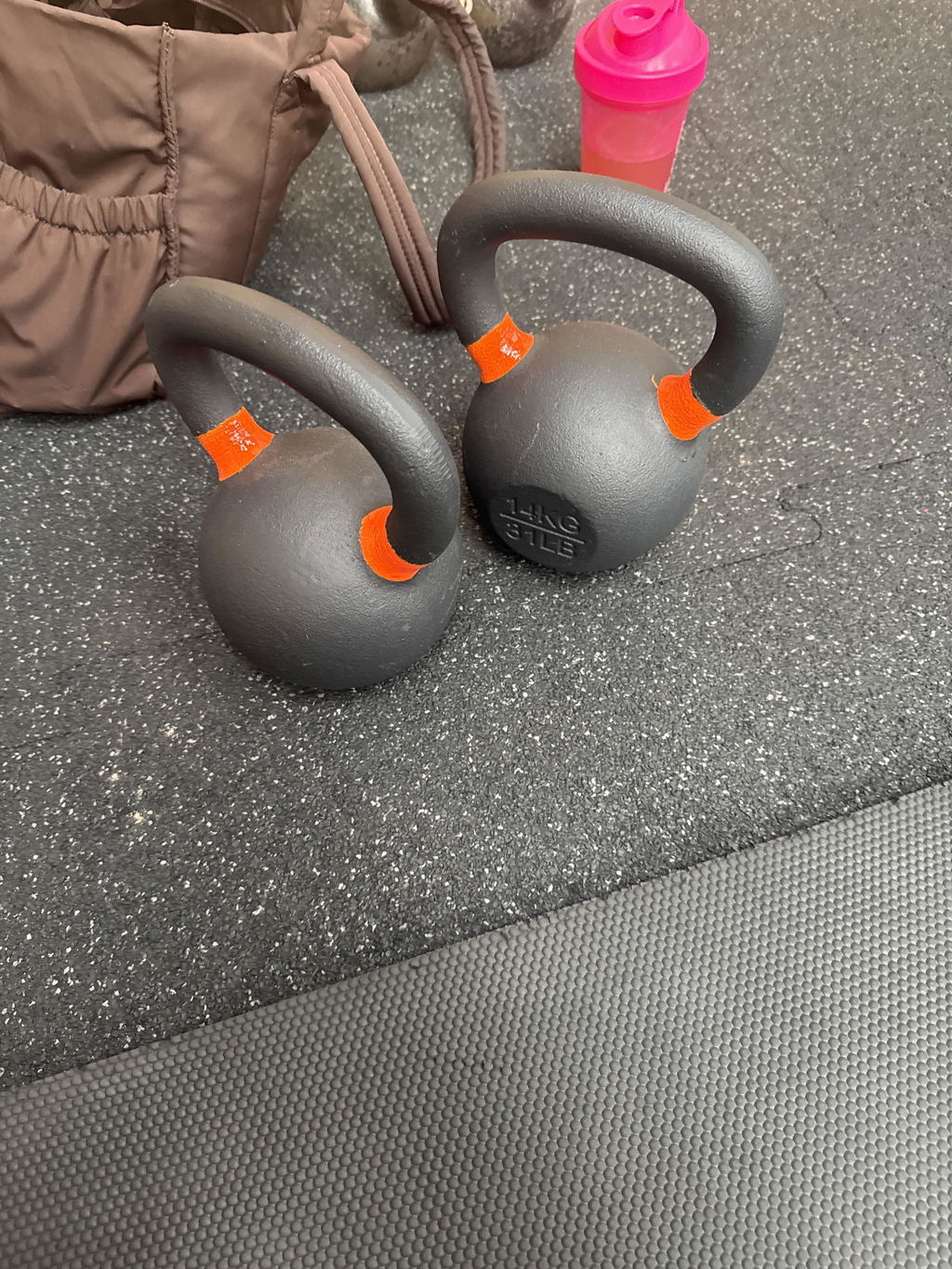
One piece of cast iron, no seams, no moving parts. The single-cast kettlebell is the format that survives being dropped on concrete a thousand times, which is precisely what serious swing and snatch training involves.
KEY FEATURES
- Single-piece cast iron construction with no welds or joints
- Wide smooth handle suited to two-handed swings
- Flat machined base sits stable for renegade rows and push-ups
- Consistent centre of mass for predictable ballistic work
- Durable finish resists chipping and rust
- Available across a graded weight range
PRODUCT OVERVIEW
Single-cast construction is the specification that matters. A kettlebell made in one pour has no seam between handle and bell, which means no weak point at the horn where the entire load concentrates during a swing. Two-piece or welded bells exist and are cheaper, but the handle junction is where they eventually fail.
Handle geometry is the second consideration. A wide handle accommodates two hands for swings, and a smooth finish prevents the tearing that knurling causes during high-repetition snatch work. The flat base matters more than people expect, since it is what allows the bell to be used as a stable platform for renegade rows, push-ups and get-up transitions.
TRAINING APPLICATION
Cast iron kettlebells cover the full repertoire: two-handed swings, single-arm swings, cleans, presses, snatches, jerks, goblet squats, Turkish get-ups, windmills and loaded carries. The ballistic movements in particular are what kettlebells do better than any other implement, training hip extension power and grip endurance simultaneously in a way dumbbells cannot replicate.
HOW TO CHOOSE?
Choose fixed cast iron if you know your working weights and train ballistically. A common starting point is one bell around 16kg for men and 12kg for women, adding heavier bells for swings and lighter ones for get-ups as your practice develops. Choose an adjustable kettlebell if space or budget rules out multiple bells. Add a rack early, as loose kettlebells on a floor are a genuine hazard.
FAQs
What weight kettlebell should I start with?
As a general guide, many beginners start around 16kg for men and 12kg for women for swings, with a lighter bell for overhead and get-up work. Adjust to your own strength and experience.
Why is single-cast construction better?
There is no seam or weld at the handle junction, which is where the load concentrates during a swing and where cheaper two-piece bells eventually fail.
Should the handle be knurled?
A smooth or lightly textured handle is preferable for high-repetition snatch work, since aggressive knurling tears the hands.
Can I use kettlebells on a wooden floor?
With matting, yes. Cast iron on bare timber will mark it, and dropped bells will damage it. Interlocking foam or rubber tiles are strongly advised.