
Filters
3 items
Sort Best selling
-
Olympic 2" Barbell Sale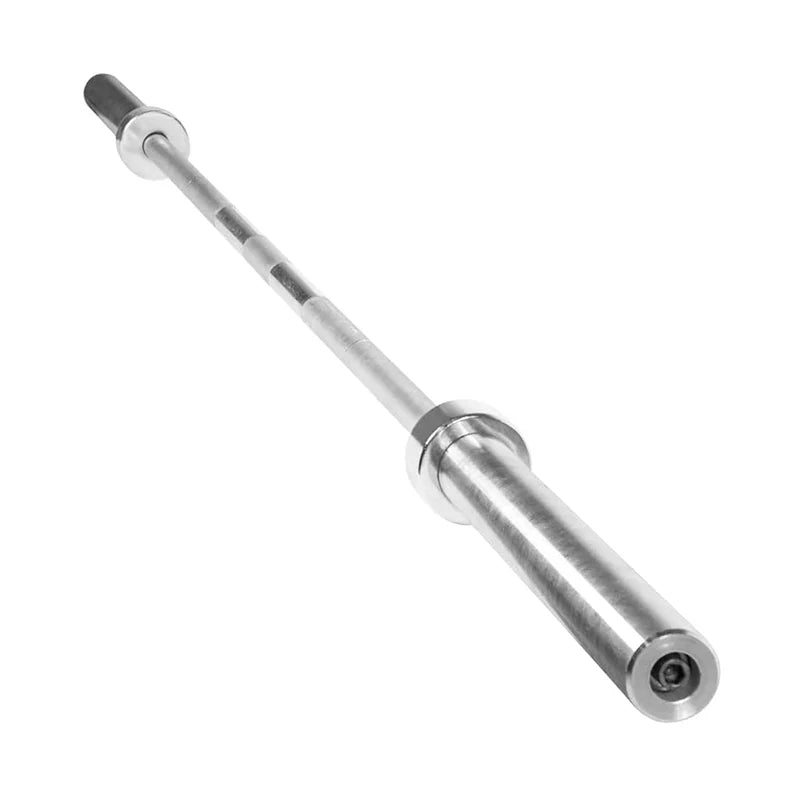
-
Olympic Hex Trap Bar 2 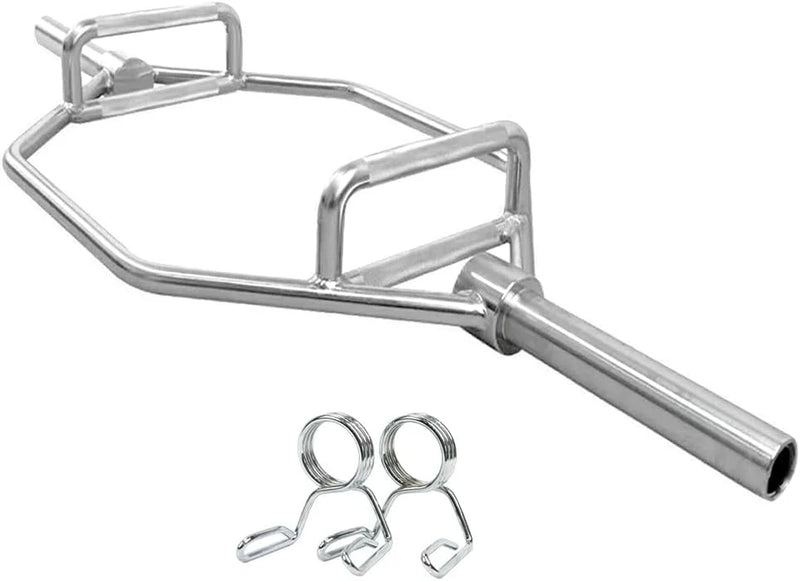
Olympic Hex Trap Bar 2
£129.99 -
20kg Olympic Hex Trap Bar Sale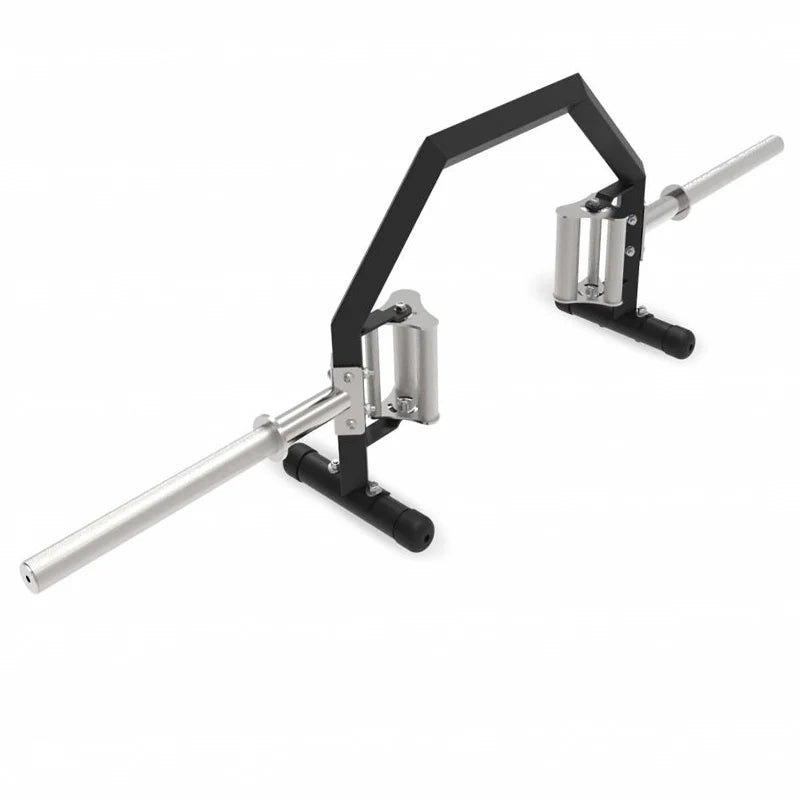
20kg Olympic Hex Trap Bar
£189.99£253.32


Description
At Lift Sets, we offer a premium collection of Olympic barbells in the UK, engineered for performance, durability, and versatility. Whether you're training for Olympic weightlifting, powerlifting, CrossFit, or general strength and conditioning, our barbells meet the demands of both home gyms and commercial gym environments.
Built for Strength. Designed for Lifters
Our Olympic barbells are crafted from high-tensile strength steel, offering the whip and durability needed for cleans, jerks, deadlifts, and squats. Featuring 2-inch rotating sleeves, our bars are fully compatible with Olympic weight plates and provide smooth spin through high-quality bearings or bushings, essential for safe, fluid lifts.
Whether you're looking for a Hex Trap Bar for deadlifts, a Knurled Barbell for superior grip, or a Chrome Olympic Barbell with corrosion-resistant coating, you'll find equipment built to withstand heavy, repeated use.
From Powerlifting to CrossFit, Your Bar, Your Style
Choose from a wide selection, including:
- Deadlift Bars and Powerlifting Barbells for Raw Strength
- Weightlifting Barbells are ideal for snatch and clean & jerk
- Competition-grade Olympic Bars with precise knurling and balance
- Heavy-duty barbells for intense commercial use
- Home gym barbells offering performance without compromise
Each barbell is tested for spin, knurling quality, and load capacity, ensuring reliable performance during every lift. Features like aggressive knurl patterns, centre knurling, and protective coatings (e.g., black oxide, Cerakote) reflect our commitment to quality and enhancing the experience.
Why Choose Lift Sets?
We understand lifters. That’s why our collection is curated for real-world results, whether you're chasing a new PB or building foundational strength. All bars are built for progressive overload, tailored for bodybuilders, CrossFitters, and Olympic athletes alike.
Ready to upgrade your barbell game?
Explore our range of Olympic Barbells UK and lift with confidence, quality, and control.
FAQs(Frequently Ask Questions):
1. What is the difference between Olympic barbells and standard barbells?
Olympic barbells have a 2-inch (50mm) sleeve diameter and are built for lifting heavier weights with features like rotating sleeves and stronger tensile strength. They're designed for Olympic lifts like snatches and clean & jerks.
2. Are your Olympic barbells suitable for home gyms?
Yes, our Olympic barbells are perfect for home gyms. They are space-efficient, durable, and compatible with Olympic weight plates, giving you commercial-grade quality at home.
3. Which Olympic barbell is best for deadlifts?
For deadlifts, we recommend our Hex Trap Bar or a Deadlift-specific barbell. Both offer better ergonomics and grip for heavy pulls.
4. Do your barbells have centre knurling?
Some of our Olympic barbells include centre knurling for better grip during squats, while others are smooth in the centre for Olympic lifts. Product pages specify this feature.
5. What’s the load capacity of your Olympic barbells?
Our Olympic barbells are rated for high tensile strength and can handle loads ranging from 300kg to 700kg, depending on the model. Each bar’s rating is listed on its product page.
6. Are the sleeves on your barbells bearing or bushing-based?
We offer both types. Bearing barbells provide a smoother spin ideal for Olympic lifts, while bushing barbells are better suited for powerlifting. You can choose based on your training goals.
7. Can I use your Olympic bars with standard plates?
No. Olympic barbells require 2-inch Olympic weight plates. Using standard 1-inch plates can be unsafe and may not fit the sleeve properly.